
History Co-Author can help turn a nonfiction idea into a clearer, more organized book plan for Amazon KDP.
Many aspiring KDP authors have a strong idea but struggle to research, outline, and finish a full nonfiction book. The process can feel slow, especially when you must keep facts, chapters, sources, and reader value aligned. History Co-Author aims to make this work easier by helping authors develop history and nonfiction content with an AI-assisted writing workflow. In this History Co-Author review, I examine its purpose, features, practical value, limitations, pricing information, and suitability for Amazon KDP publishers.
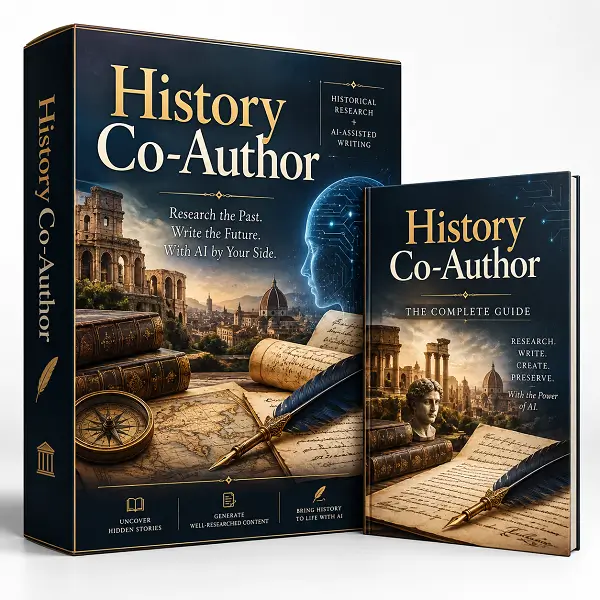
What is History Co-Author?
History Co-Author is an AI-assisted tool designed for people who want to create history books and other nonfiction content. Its main goal is to help users move from an initial topic to a more complete book project through research support, planning, and writing assistance.
The tool appears aimed at authors who want to publish through Amazon KDP. It may help with tasks such as choosing a topic, building a chapter structure, expanding ideas, and preparing a manuscript. However, AI output still needs human review. Authors should fact-check dates, names, events, quotations, and claims before publishing.
History Co-Author is not a replacement for subject knowledge or editorial judgment. Instead, it works best as a planning and drafting assistant. The final book should still reflect the author’s voice, research, and quality standards.
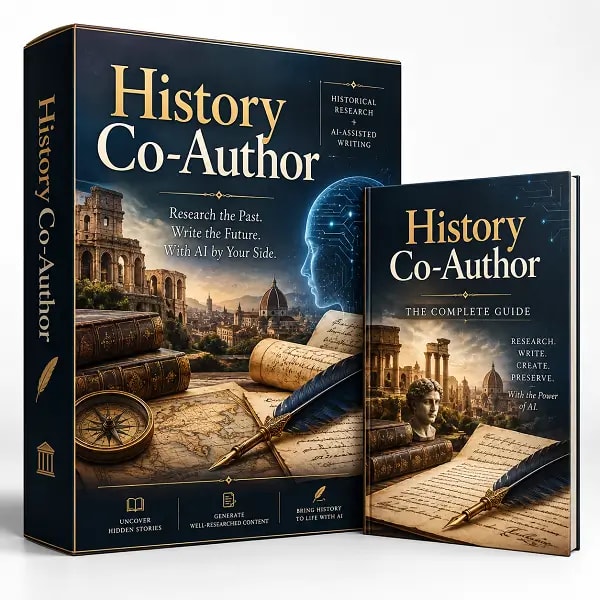
My Personal Experience & In-Depth Walkthrough:
I spent a 48-hour review period examining how History Co-Author fits into a nonfiction publishing workflow. I approached it as a KDP author would: first looking for a useful topic, then considering how the topic could become a structured book.
The first step was to define the book idea. A broad subject such as “World War II” is too large for a focused nonfiction book. A better topic might be “How Codebreakers Changed World War II.” This type of narrower angle gives the writing a clearer audience and purpose.
The next step was to consider the book structure. History Co-Author is most useful when the author starts with a clear subject and reader goal. A practical structure could include an introduction, historical background, key people, major events, impact, and a final summary. This type of outline can save time and reduce the risk of creating chapters that repeat the same points.
I also found that an AI writing tool works best when the prompts are specific. A request such as “write a chapter about history” is too vague. A better prompt explains the target reader, tone, word count, period, key facts, and chapter purpose. This is an important strength of History Co-Author: it can support a more guided workflow than starting with a blank document.
The biggest advantage is speed. A writer can move from an idea to a rough content plan much faster than starting from scratch. That benefit matters for KDP authors who want to test several nonfiction topics before investing weeks in one manuscript.
The main weakness is that AI-generated history content may sound confident even when a claim needs checking. This is a serious issue for nonfiction writers. I would never publish History Co-Author output without checking reliable books, archives, museums, academic sources, or trusted reference material.
Another limitation is that the final quality depends heavily on the user. A skilled author can use the tool to create a strong first draft. A user who accepts every output without editing may produce a bland or inaccurate book. In my view, History Co-Author works best as a co-writing assistant, not as an automatic publishing button.
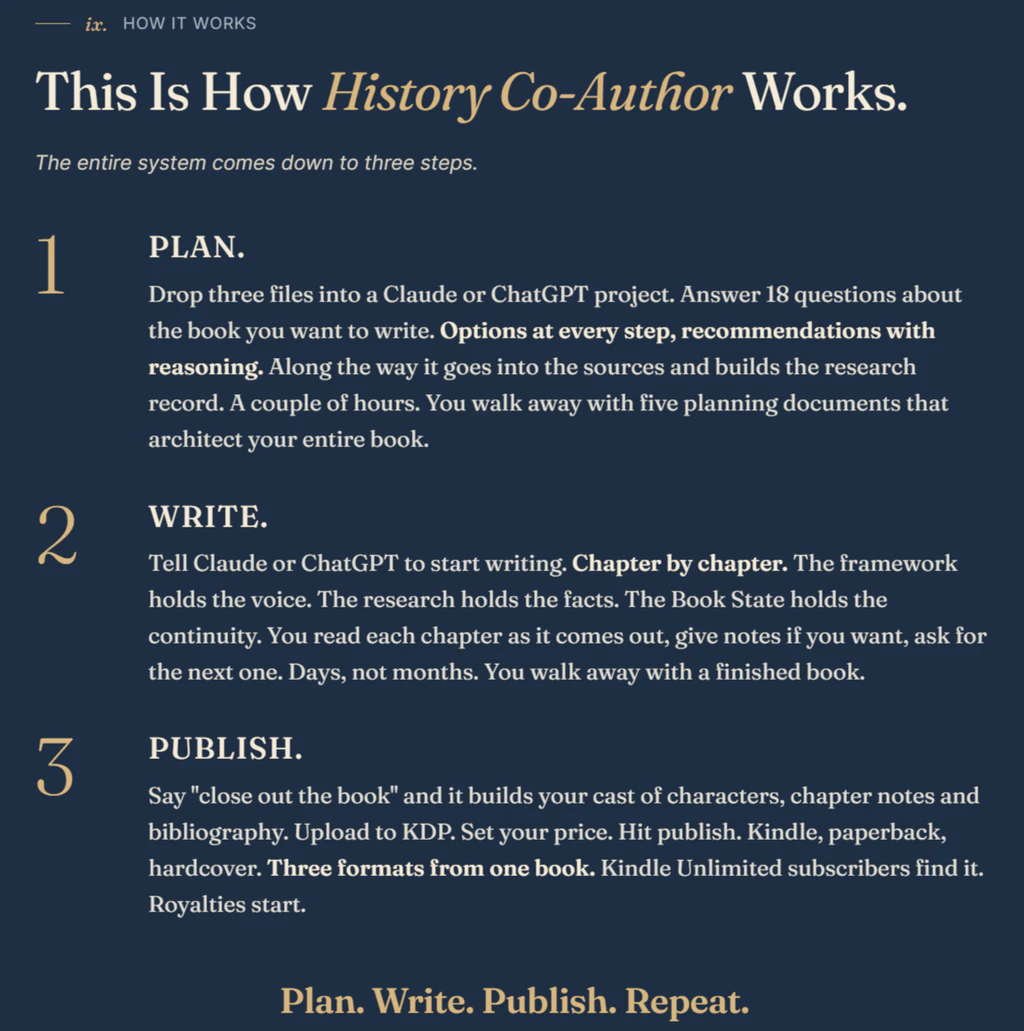
For Amazon KDP, I would use the tool in this order:
- Choose a narrow history or nonfiction topic.
- Define the intended reader.
- Create a chapter outline.
- Develop each chapter with focused prompts.
- Review the draft for accuracy and repeated ideas.
- Add original insight, examples, and citations.
- Edit the manuscript for style and flow.
- Format the book for Kindle or print.
- Review KDP content and metadata requirements before publishing.

What Makes It Stand Out / Key Features
- AI-assisted nonfiction planning: Helps turn a broad idea into a more focused book concept.
- History-focused writing support: Designed for authors working on historical and educational topics.
- Chapter and outline development: Supports the creation of a logical book structure before drafting.
- Faster first drafts: Can reduce the time needed to create an initial version of a chapter.
- Prompt-based content creation: Lets users guide the result with details about tone, topic, audience, and length.
- Useful for KDP authors: Can support the early writing stages of Kindle and print nonfiction books.
- Idea expansion: Helps develop short notes into fuller explanations and sections.
- Repeatable workflow: Authors can use a similar process across several book projects.
The key value of History Co-Author is not simply text generation. Its greater value is the structured path from idea to outline to draft. That structure can help new authors avoid the common problem of staring at a blank page.

What I Like
- It targets a clear audience: History writers and nonfiction KDP publishers can understand its purpose quickly.
- It can save planning time: A guided outline may reduce the work involved in organizing a long book.
- It supports focused writing: Clear prompts can help keep each chapter connected to the main topic.
- It helps new authors begin: Beginners may find it easier to start with an assisted workflow than a blank document.
- It can support topic testing: Authors may explore several book ideas before selecting one for full development.
- It works well as a first-draft aid: Users can create a rough version and then improve it with personal research.
- It fits a KDP publishing process: The planning stage can connect naturally with editing, formatting, and publishing.
My favorite benefit is the reduction in friction. Many authors do not lack ideas. They lack a clear next step. History Co-Author can provide that next step by helping organize the project into smaller tasks.

What Can be improved
- Fact-checking remains essential: History content can contain errors if the author does not verify names, dates, events, and sources.
- Output may need a personal voice: Draft text can feel general unless the author adds original insight and strong editorial direction.
- Public pricing details may change: Buyers should confirm the current cost, upgrades, limits, and refund terms on the live offer page.
These limitations do not make History Co-Author unusable. They simply show why human editing matters. A nonfiction book needs more than readable sentences. It needs accuracy, context, clear sourcing, and a reason for readers to trust the author.

Pricing And Affordability
Pricing and product access can change. The official offer page should be treated as the final source for the current History Co-Author price, available plans, upgrades, and refund terms. I do not recommend relying on an old screenshot or an unverified price.
| Plan or offer | What to verify | Best suited for |
|---|---|---|
| Current front-end offer | Current price, included tools, access period, and usage limits | Authors trying History Co-Author for the first time |
| Optional upgrades | Extra features, expanded limits, templates, or support | Users who need more than the standard offer |
| Commercial or publishing rights | Whether the terms allow the planned use of generated content | Authors preparing books for Amazon KDP |
| Refund policy | Refund window and purchase conditions | Buyers who want lower financial risk |
Compared with the cost of hiring a researcher, outline specialist, or ghostwriter, an AI writing tool may appear affordable. Still, affordability depends on the quality of the output and the amount of editing required. A low purchase price does not remove the need for research, proofreading, cover design, and KDP formatting.
Before buying, check whether the offer is a one-time payment or a subscription. Also confirm whether the product includes future updates, commercial rights, support, and any limits on usage.

Why should you buy History Co-Author?
History Co-Author may be a good choice if you want help planning and drafting a history or nonfiction book for Amazon KDP. It can reduce the blank-page problem, organize a broad idea, and support a repeatable writing process. This makes it useful for new authors and experienced publishers who want to speed up early development. The tool can also help users test different book concepts before choosing one to publish.
However, you should buy History Co-Author with realistic expectations. It will not replace research, fact-checking, editing, or your own judgment. The best results will come from authors who provide clear instructions and carefully review every chapter. If you want an assistant for ideas, outlines, and first drafts, History Co-Author deserves consideration.

Comparison With Competitors of History Co-Author
History Co-Author is not the only tool that can help with nonfiction writing. General AI tools can create outlines and drafts, while dedicated writing platforms often focus on long-form organization. The best option depends on your topic, writing habits, research needs, and budget.
| Tool type | Main strength | History and nonfiction focus | Best use |
|---|---|---|---|
| History Co-Author | Guided history and nonfiction book development | High | Authors building historical KDP books |
| General AI writing assistant | Flexible brainstorming and drafting | Low to medium | Writers who need broad content support |
| Long-form writing platform | Manuscript organization and editing | Low | Authors managing large documents |
| Human researcher or editor | Accuracy, judgment, and expert review | Depends on specialist | Authors who need professional oversight |
| DIY research and writing | Full control and original voice | Depends on the author | Writers with time and subject expertise |
The main advantage of History Co-Author is its niche positioning. A general AI tool may offer more flexibility, but it may require more effort to shape into a history book workflow. A human expert may provide better judgment, but professional help usually costs much more.
FAQ Of The History Co-Author Review
Is History Co-Author suitable for Amazon KDP?
History Co-Author may help with topic development, outlines, and early drafts for KDP nonfiction books. It does not replace KDP formatting, editing, cover design, metadata work, or content review.
Can History Co-Author write a complete history book automatically?
You should not treat it as a fully automatic book-publishing system. Even if it creates long drafts, you still need to add direction, check facts, improve the writing, and make sure the finished book provides real value.
Does History Co-Author guarantee Amazon KDP approval or sales?
No software can guarantee KDP approval, rankings, reviews, or sales. Success depends on content quality, accuracy, book presentation, reader demand, metadata, marketing, and compliance with Amazon’s rules.
Do I need to fact-check History Co-Author content?
Yes. Fact-checking is essential for all AI-assisted history writing. Verify important claims with reliable books, archives, museums, academic sources, and other trusted references.
Is History Co-Author a good tool for beginners?
It may be useful for beginners because it can provide structure and help them start. Beginners should still learn basic research, editing, copyright, attribution, and Amazon KDP publishing practices.
Conclusion
History Co-Author offers a practical concept for authors who want to create history and nonfiction books with AI assistance. Its strongest use is helping with ideas, outlines, chapter development, and first drafts. That can save time and make the publishing process feel more manageable.
The tool is not a substitute for research or editorial work. Authors must check facts, add a clear personal voice, edit every section, and follow Amazon KDP guidelines. Based on its intended workflow, History Co-Author is most suitable for writers who want structured assistance rather than a completely hands-off publishing system.
If you are planning a nonfiction KDP project and want help moving from a rough idea to a more organized manuscript, History Co-Author may be worth reviewing. Check the current offer carefully before making a purchase.
Disclosure: This review contains an affiliate link. If you purchase through the link, I may receive a commission at no extra cost to you. Always review the current offer, terms, pricing, and refund policy before buying.