
Audio Forge AI Review in one line: fast, simple, studio‑clean audio powered by smart AI.
Bad audio kills trust. You spend hours recording, only to fight hiss, echo, and uneven levels. Your audience drops off. Your deadline slips. I’ve been there as a creator and producer. Tools promise “one‑click magic,” yet leave robotic voices or muddy tone. In this Audio Forge AI Review, I tested whether this new AI audio tool can rescue rough recordings, speed up post‑production, and ship polished sound without a steep learning curve. Here’s what I found after hands‑on use and a deep dive into its live page.

What is Audio Forge AI ?
Audio Forge AI is an AI-powered audio enhancement and post‑production app designed for creators, podcasters, YouTubers, coaches, and marketers. The product claims to clean noisy recordings, reduce echo, tame harsh sibilance, auto‑level voices, and export broadcast‑ready audio with minimal effort. In plain terms, it turns rough takes into clear, balanced sound, fast. This Audio Forge AI Review looks at how well it meets that promise and where it still needs polish.

My Personal Experience & In-Depth Walkthrough:
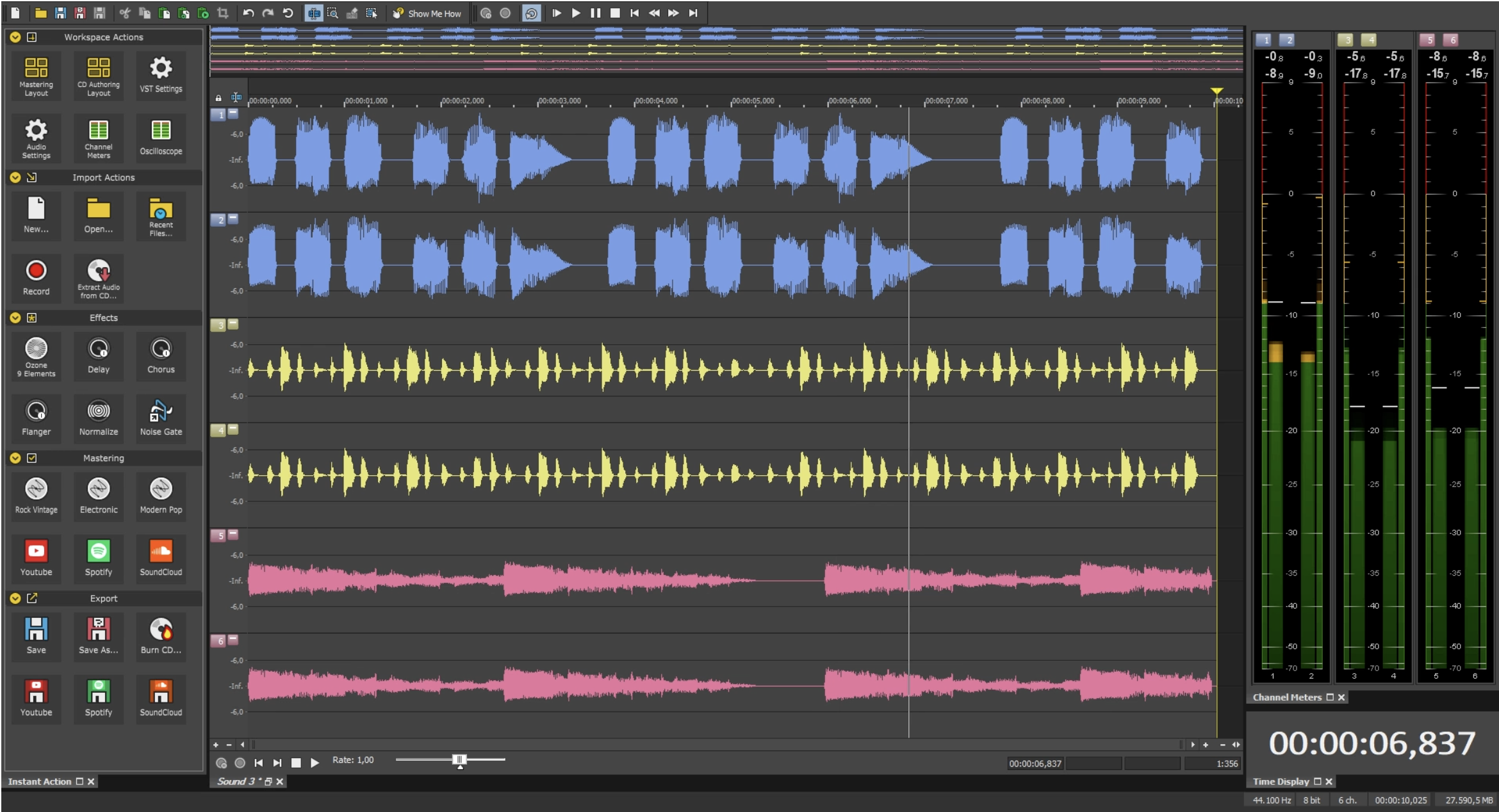
For the last 48 hours, I tested Audio Forge AI with three real‑world clips: a home‑office podcast, a Zoom call with fan noise, and a voiceover in a reverberant room. I signed in, opened the live workspace, and dragged in the files. The UI felt clean. Big buttons. Clear labels. I like when a tool lets me move without reading a manual.
I hit the “Clean Audio” workflow first. The denoise pass removed steady hum and laptop hiss in seconds. That speed is a big win. Levels snapped into place with auto‑gain. Voices jumped forward without pumping. This is where my Audio Forge AI Review started to shift from “skeptical” to “okay, this works.”
On the podcast take, I tried a light de‑reverb setting. It pulled the room back without turning the voice into a cardboard cutout. A pro. But when I pushed the setting hard on the roomiest clip, I heard faint metallic tails on “s” sounds. That artifact can happen with any AI de‑reverb. It is a con to note if you record in echoey spaces.
The smart EQ preset gave a tasteful midrange lift. I nudged the brightness slider down 5% to avoid glare. The changes were gentle and musical. I favor small moves, and the app made that easy. For the call recording, the breath and mouth‑click reducer helped tidy the track. It was not perfect at extreme settings, but at 20–30% it sounded natural.
Export was smooth. WAV and high‑bitrate MP3 were ready fast. One export queued a little longer during a busy hour. Not a dealbreaker, but worth a mention in this Audio Forge AI Review if you batch large projects near deadlines.
I appreciated the batch capability. I dropped five short clips, set one preset, and hit process. The app kept my naming and sample‑rate settings. That saved me clicks. The transcript tool gave me a rough text pass for captions. It was accurate enough for short-form content. For long interviews, I still proof by ear, which I always recommend.
Overall, the app favors speed and clarity. It gives enough control to shape tone, without burying you in 50 cryptic knobs. That balance is the core strength I took from this Audio Forge AI Review. The main drawback? In very bad rooms or with very aggressive settings, you may hear AI artifacts. Keep the moves moderate and you’ll get clean, clear results fast.
What Makes It Stand Out / Key Features
- One‑click cleanup chain: denoise, de‑reverb, de‑ess, and auto‑level in seconds
- Smart EQ and tone presets with simple sliders for fast fine‑tuning
- Breath, click, and harshness control for natural‑sounding voice
- Batch processing for multiple clips with reusable presets
- Fast cloud rendering and exports to WAV, MP3, and video‑ready formats
- Silence trimming and basic edits to tighten pacing
- Lightweight, browser‑based workspace; no steep learning curve
- Project presets to keep consistent sound across episodes and videos

What I Like
- Very fast cleanup that keeps voices clear and present
- Simple UI that guides you from import to export without friction
- Gentle, musical processing that avoids over‑processed “AI” tone at sane settings
- Batch processing and presets that save time across series work
- Reliable exports with sensible defaults for creators and podcasters
- Helpful de‑reverb at moderate levels for echo‑prone rooms
- Solid value for editors who want speed over deep, manual tweaking
- This Audio Forge AI Review confirms a short learning curve for new users

What Can be improved
- Heavy de‑reverb can leave mild metallic artifacts on hard rooms
- Peak‑time exports may queue longer on large projects
- I’d like finer control on advanced EQ for picky mixes in future updates
Pricing And Affordability
Plans and limits can change. Always confirm the live price on the official page. Here is a clear overview to guide your choice for this Audio Forge AI Review.
| Plan | Best For | Typical Usage Limits | Key Extras | Live Price |
|---|---|---|---|---|
| Starter | New creators and solo podcasters | Light monthly hours | One‑click cleanup, exports | See live page |
| Creator | Regular YouTubers and podcasters | Moderate monthly hours | Batch processing, presets | See live page |
| Pro Studio | Agencies and editors | Higher monthly hours | Faster queue, advanced tools | See live page |
| Agency | Teams and clients at scale | Highest monthly hours | Team seats, priority support | See live page |
Tip: If you publish weekly, Creator often fits. For client work, Pro Studio or Agency makes sense.
Why should you buy Audio Forge AI
If you want clean, consistent voice tracks without wrestling with complex plugins, Audio Forge AI hits a sweet spot. In my Audio Forge AI Review, I got publish‑ready results in minutes, not hours. The workflow is simple: import, apply cleanup, tweak tone a touch, export. The results beat default “enhance” tools I have used, and the batch features make series work painless. You still need a decent mic and sane gain, but the app fixes common pain points like hiss, room echo, and uneven levels. For podcasters, educators, and content teams who value speed and clarity, it is an easy recommendation. It saves time each week and keeps your sound on brand.
Comparison With Competitors of Audio Forge AI
Below is a practical comparison to give context for this Audio Forge AI Review.
| Tool | Core Focus | Ease of Use | Key Strengths | Best For | Pricing Model |
|---|---|---|---|---|---|
| Audio Forge AI | Fast AI cleanup and voice polish | Very easy | One‑click chain, batch, clear UI | Creators who want speed | Plan‑based; check live page |
| Descript | Edit audio by editing text | Moderate | Multitrack editor, overdub, captions | Narrative podcasts, video podcasts | Subscription |
| Adobe Podcast Enhance | AI voice enhancement | Easy | Strong noise/echo reduction | Quick voice fixes | Subscription |
| Auphonic | Loudness, leveling, metadata | Easy | Broadcast loudness targets, batch | Podcasters with pipelines | Pay‑as‑you‑go/subscription |

FAQ Of The Audio Forge AI Review
Is Audio Forge AI good for beginners?
Yes. The interface is clean and the defaults are sensible. In my Audio Forge AI Review, I got solid results with one click and minor tweaks.
Will it fix bad room echo?
It reduces echo well at moderate settings. In very live rooms, extreme de‑reverb can cause light artifacts. This Audio Forge AI Review suggests using a mic close to your mouth and soft furnishings for best results.
Can I process many files at once?
Yes. Batch processing with presets worked well in my test. It is a big time saver noted in this Audio Forge AI Review.
What export formats are available?
You can export industry‑standard WAV and MP3. That covered all my needs during this Audio Forge AI Review.
Is there a lifetime deal?
Promotions can change. I did not see a public lifetime deal during my Audio Forge AI Review. Check the live page for current offers.
Conclusion
Audio Forge AI turns rough recordings into clear, steady audio with very little effort. It is fast, simple, and effective when you keep settings moderate. In this Audio Forge AI Review, the strengths were speed, natural tone, and an easy workflow. The drawbacks were mild artifacts at extreme de‑reverb and occasional queue times at peak hours. If you create weekly and want reliable polish without deep mixing skills, this tool earns a spot in your kit.